17 Apr 2026
Nicholas Amani Hamman1,2, Aashna Uppal3, Nuhu Mohammed1, Abigail Micah Umar1, Trudie Lang3, Joshua Abubakar Difa2
1 Snakebite Treatment and Research Hospital, Kaltungo, Gombe State, Nigeria
2 Department of Community Medicine and Public Health, Gombe State University, Gombe State, Nigeria
3 The Global Health Network, Nuffield Department of Medicine, University of Oxford, Oxford, United Kingdom
Snakebite envenoming remains one of the most neglected tropical diseases. Nigeria is among the countries most affected, with thousands of deaths and long-term disabilities reported annually. In this country, snakebite is closely tied to poverty, geography, and occupation, with most victims being farmers, herders, or rural labourers who live and work in environments where human–snake contact is common.
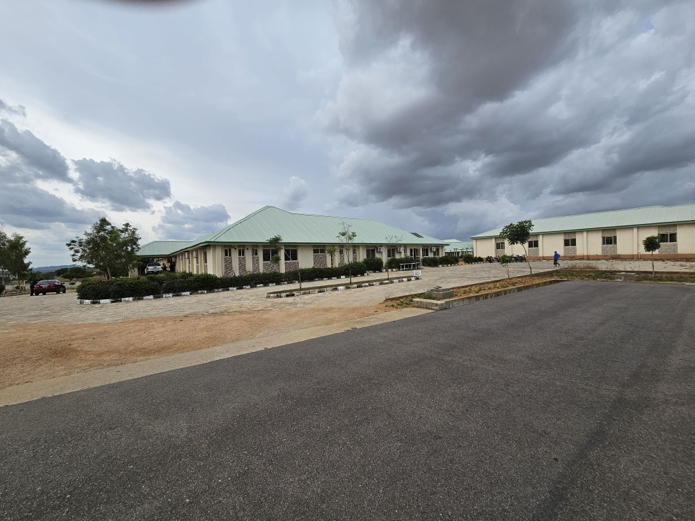
The Snakebite Treatment and Research Hospital in Kaltungo, Northeastern Nigeria, is the largest of its kind in terms of patient load – seeing upwards of 2,500 snakebite patients every year. This facility operates under the leadership of Dr. Nicholas Amani Hamman. In this commentary, Dr. Amani and colleagues discuss a recent high profile snakebite envenoming case in Nigeria’s capital city, which changed perceptions of snakebite envenoming being exclusively tied to poverty. This case highlighted critical gaps in emergency care preparedness, even in urban setting.
Snakebite envenoming is a medical emergency with a known, effective treatment, but access to antivenom remains inconsistent at the point of care. From an emergency care systems perspective, priority actions should include: ensuring consistent availability of antivenom in emergency departments, training frontline healthcare workers in standardized snakebite management protocols, and strengthening referral systems to reduce delays in definitive care. While the visibility of this case has drawn attention to the issue, many deaths in rural communities continue to occur unnoticed.
Please Sign in (or Register) to view further.